Estimated Reading time

8 Mins
Haida Forest Gathering: Creating Space to Share Knowledge and Build Connection
First Nations along the Great Bear Rainforest gathered on Haida Gwaii for three days of immersive, peer-to-peer learning about forest stewardship, watershed restoration, and conservation finance.
Creating a Space for Knowledge Exchange
In October, representatives from First Nations across the Great Bear Rainforest gathered on Haida Gwaii with a shared purpose: to connect, exchange knowledge, and learn from one another.
In British Columbia, First Nations are reclaiming their role in shaping the future of forest management and conservation in their territories. Alongside this leadership comes an opportunity to explore new approaches to long-term conservation financing, including support for terrestrial conservation and watershed restoration. To many First Nations, balancing unpredictable grant funding, creating opportunities to share experiences, exploring new funding approaches, and learning from one another is an important part of strengthening this work.
The Haida Forest Gathering was designed to foster peer-to-peer learning between Nations and to identify what additional opportunities can support them as they navigate changes in forest management, financing, and stewardship.
The Council of the Haida Nation (CHN) Lands team and Coast Funds met in January to collaboratively design an immersive learning experience for attendees on Haida Gwaii. The goal was to provide Nations from across the Great Bear Rainforest with a collaborative space to learn directly from each other – sharing what works and what does not work – by exploring different models of financing for forest stewardship.
“It was an honour to share some of our history and future direction for managing our lands and waters with the visiting Nations,” said Kung Xyaalas Tyler Bellis, Strategic Advisor to CHN. “It’s a challenging time for First Nations on the coast who are responsible for the care and healing of our traditional territories, as well as providing economic opportunities for our people.”
This gathering was made possible through the generous collaboration of the Council of the Haida Nation’s (CHN) Lands team.
“It was so great to host the visiting Nations and really gratifying to share the lands stewardship work we are doing with them,” shared Iihangaa K’adangaa Ed Davis, Acting Director of Lands
Through a range of land stewardship programs and services, the CHN Lands team works to protect Haida Gwaii’s natural environment while supporting the revitalization of Haida culture. Their knowledge, experience, and connection to Haida Gwaii helped shape a meaningful opportunity for Nations to come together, share perspectives, and learn from one another.
Nations Coming Together
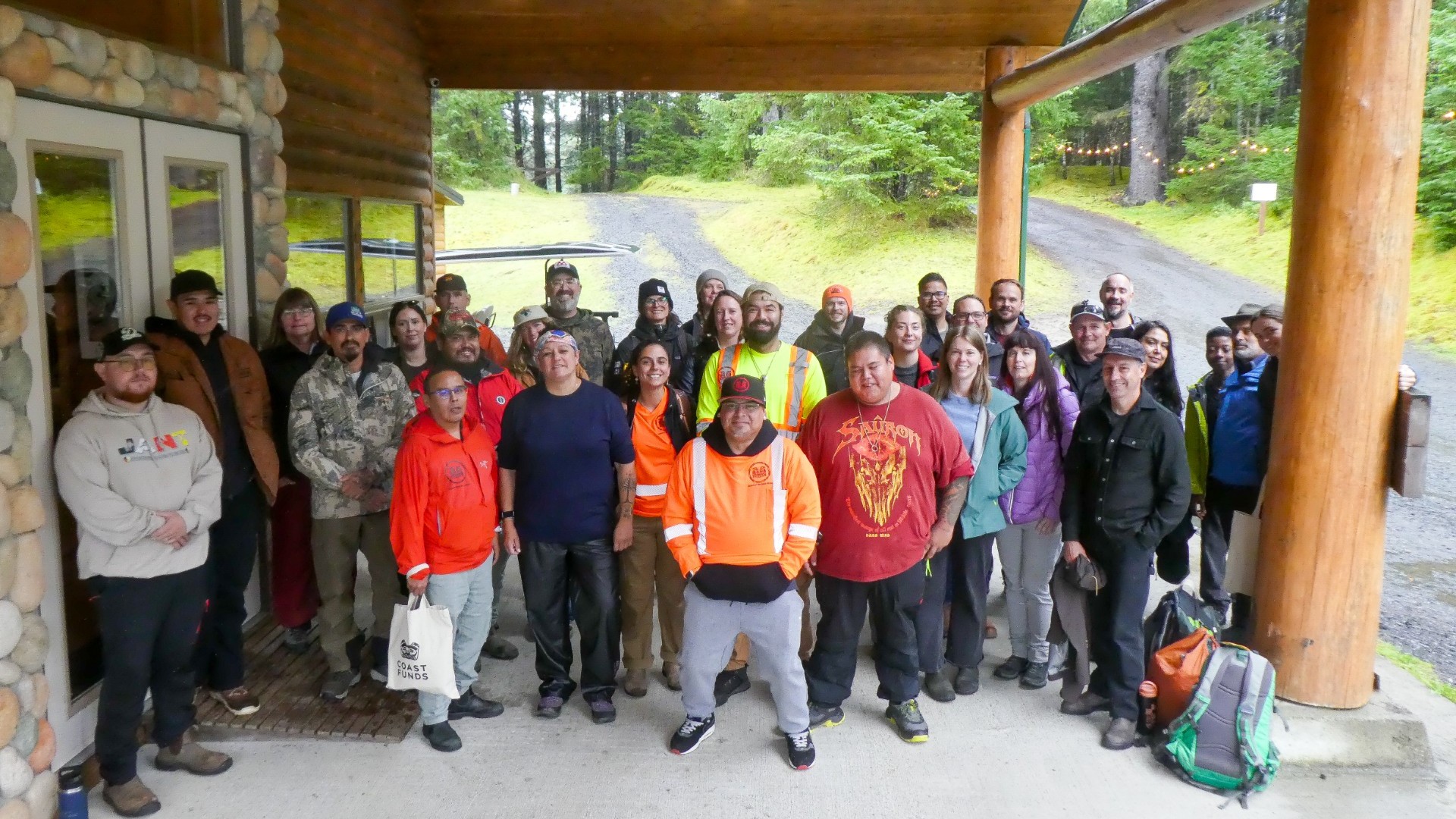
On October 6, expert technical staff and elected and hereditary leadership from Mamalilikulla, We Wai Kai, ’Wuìk̓inux̌v, Tlowitsis, Wei Wai Kum, Kitasoo Xai’xais, Gwa’sala-‘Nakwaxda’xw, Da’naxda’xw Awaetlala, Kwikwasut’inuxw Haxwa’mis, K’ómoks First Nations, and Coast Funds staff met at Haida House at Tllaal.
Iihangaa K’adangaa Ed Davis, Acting Director of Lands (CHN), Kung Xyaalas Tyler Bellis, Haida Strategic Advisor (CHN), and several members of the CHN Lands team led discussions about Haida governance, stewardship planning, and the Nation’s long-term vision for implementing Haida Title and advancing a Forest Vision grounded in Haida values and law. Conversations explored everything from protected area management to community-led decision-making in the transition to a new forest economy. This opening session provided valuable context for the week ahead, setting the tone for site visits and discussions to follow.
Over the course of two days, the group expanded to include several young CHN Lands staff and presenters from Great Bear Carbon as well as Redd Fish Restoration Society. Mornings were spent in deep learning with presentations at Haida House and afternoons were spent on the land with the CHN Lands team.
A Space to Share
Throughout the gathering, participants heard directly from Nations and organizations that are leading innovative approaches to conservation financing and stewardship. Representatives from the Kitasoo Xai’xais Stewardship Authority shared their journey to building a self-sustaining stewardship economy. Senior Advisor, Evan Loveless, and Lands and Engagement Manager, Rosie Child, spoke about the important role of land use planning in advancing reconciliation protocol agreements, supporting collaborative decision making, atmospheric benefit sharing, and securing tenures. Their presentation also sparked thoughtful discussion among participants about tenure buyouts and the financing models that can help sustain long-term stewardship.
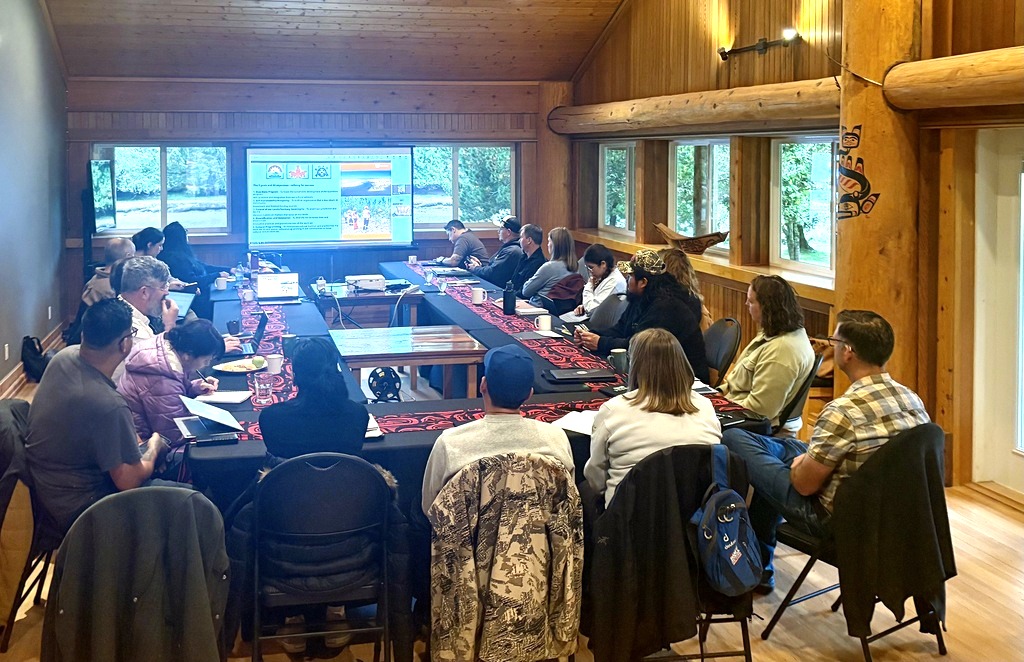
Joining virtually from Ontario, Wahkohtowin Development’s Executive Director, David Flood, shared the story of Wahkohtowin and their work to build a conservation economy. His presentation highlighted many shared priorities with First Nations in British Columbia, including Guardian programs, self-sustainability, sovereignty, diversification, innovation, and cultural programming. Participants were also introduced to current projects and innovations, including applied research into fungi inoculation and fertilization, and thermo-log technology housing kits based on a Standing Tree to Standing Home concept and circular economy.
Redd Fish Restoration Society presented another perspective on innovative, community-led restoration. Executive Director, Jessica Hutchinson, and Cultural Liaison, Muuchinink Wesley Frank, a Ha’wiih Hereditary Chief of Tla-o-qui-aht First Nation, shared Redd Fish’s Indigenous-led and evidence-based approach to restoring degraded landscapes. Participants heard about a range of initiatives, including the use of AI to track salmon species in kelp farms, regenerative tourism, and river restoration techniques that use terracing and tree planting to help prevent landslides.
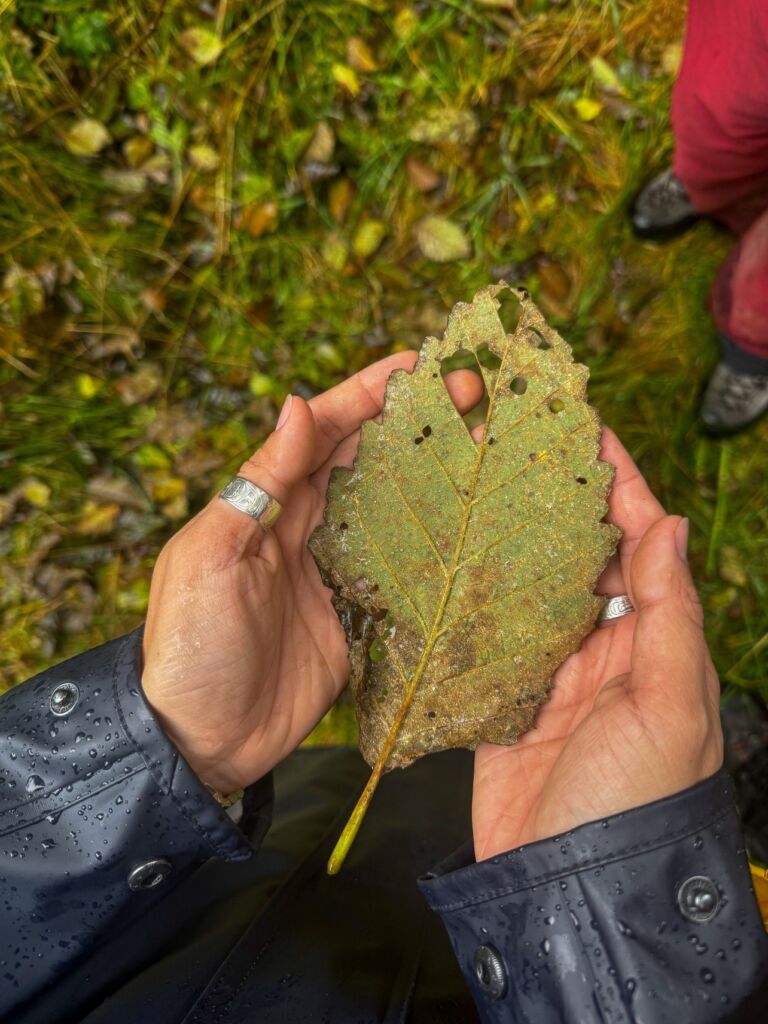
The projects also prompted a valuable discussion about the funding needed to support large-scale and long-term restoration work.
Joseph Pallant, CEO of Great Bear Carbon Credit Corporation, provided an overview of the organization’s history, structure, and role in the carbon market, including it’s relationships with buyers and the provincial government. The discussion explored the opportunities and complexities of carbon financing in BC.
Coast Funds’ CEO, Eddy Adra, and Senior Director of Development and Partnerships, Ross Dixon, shared how Coast Funds has evolved through the Great Bear Sea Project for Finance Permanence initiative, including a renewed focus on economic growth, community engagement, and knowledge sharing. They shared how Coast Funds supports First Nations to advance various conservation finance models, from philanthropic partnerships to the development of new outcomes-based financing tools . The presentation opened a broader conversation about funding mechanisms beyond endowments and carbon, including social finance, offsetting, trust funds, and Coast Funds’ One Generation Fund.
On the Ground Learning on Haida Gwaii
The Haida Lands team guided participants through a series of visits showcasing Haida-led forestry, restoration, and conservation initiatives.
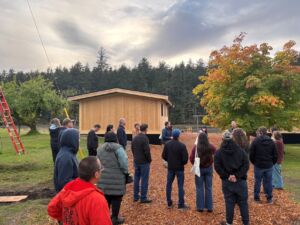
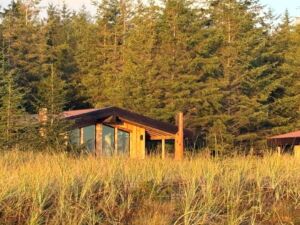
At Haida House, Chief Forester, Jeff Mosher introduced participants to a new accommodation site featuring yellow pine kit homes built by Taan Forest, locally owned by Haida Enterprise Corporation (HaiCo). The group also toured the Taan Forest site, managed by both CHN and HaiCo. The tour offered insight into the mill’s operations, including equipment, production, and sustainable harvesting by balancing conservation and cultural preservation.
“There was a lot of learning going both ways,” said Ed Davis. “You could see the interest in the kit homes and the restoration work from the guests, and we have a lot of younger staff on the CHN team who sat in on the presentations and had an amazing time connecting with the group.”
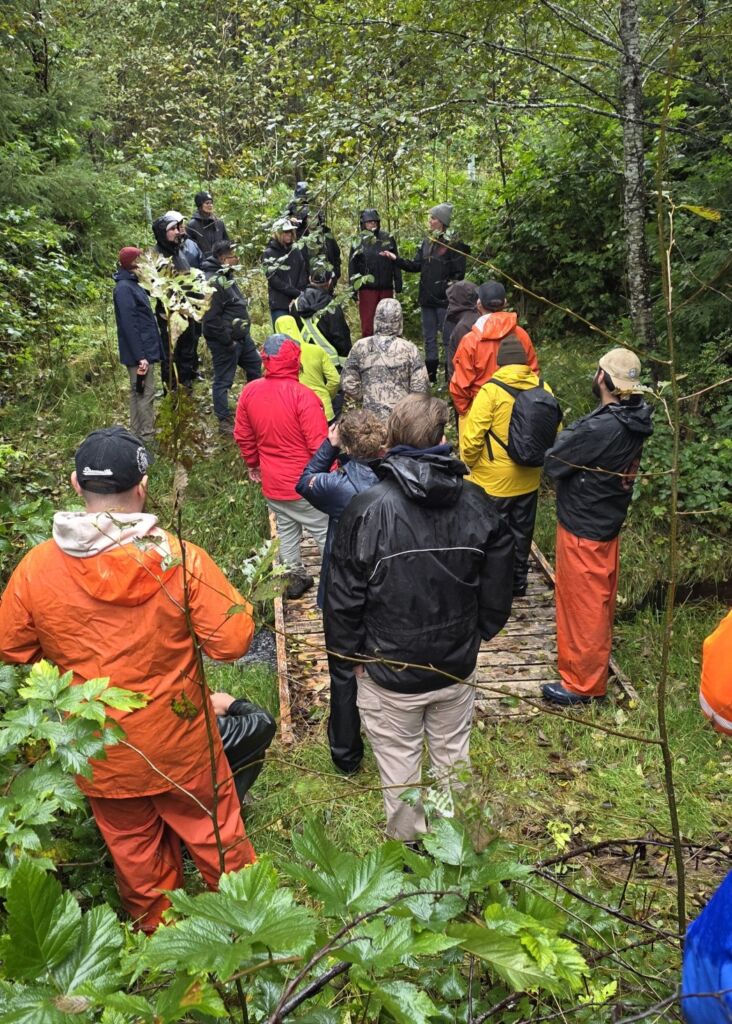
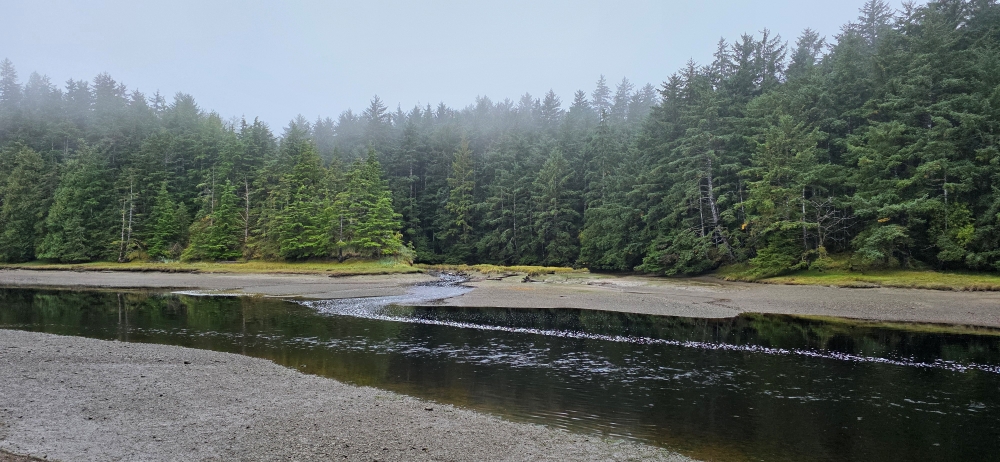
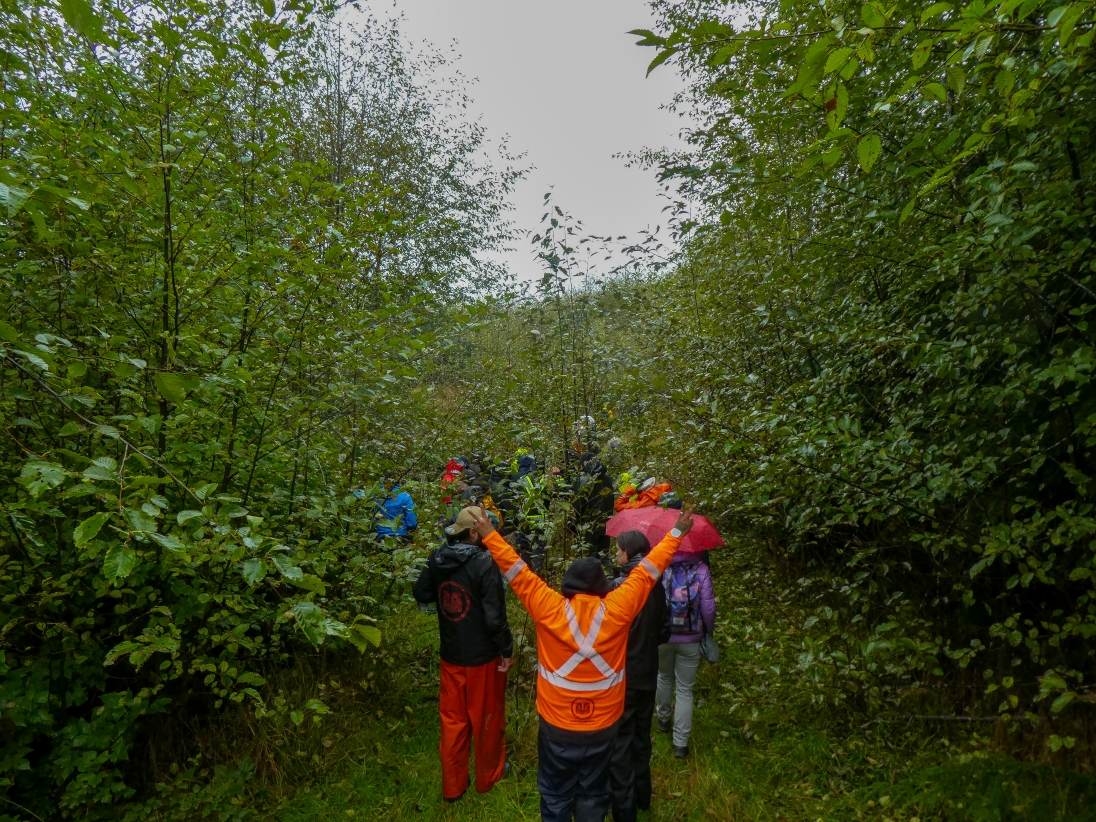
At the Gámdas Tlagée Kamdis Estuary restoration site, Virginia Hudson (CHN) shared how past private logging practice has damaged Haida Gwaii’s ecosystem. She outlined the ongoing restoration work, including strategic tree thinning, tree planting, and other restoration methods.
Participants also had the opportunity to visit a canoe carving site with Jaalen Edenshaw, and spent an evening in a traditional cedar longhouse, hosted by Kihl ‘Yahda Christian White and his family, enjoying delicious food and cultural dances.
“Gatherings like this are crucial moving forward,” said Tyler Bellis. “Being able to see and learn from other Nations, on what is working for them, is crucial. We look forward to continuing these gatherings as they benefit everyone involved.”
Each activity offered new insights to carry forward into future planning. Additionally, the shared space offered time for attendees to build relationships, strengthen connections, and explore ways to work together towards shared goals.
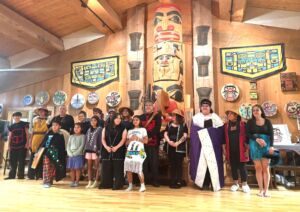
“We are stronger together,” shared Chief Mar-Lou Shaw, ’Wuìk̓inux̌v Nation.
Participants left the gathering feeling inspired, connected, and better equipped to support the priorities and aspirations of their Nations.
“Gilakas’la to the funders for resourcing Coast Funds,” said Andrea Lyall, CEO and Director of T’Se’Kame’ Forestry, a Kwikwasut’inuxw Haxwa’mis First Nation-owned business. “This event brought together constituents, created a safe space, and chose professionals and First Nations representatives that were all very knowledgeable and enthusiastic about the work they do.”
The relationships, conversations, and learning that emerged from the Haida Forest Gathering were made possible with support from Nature United, Real Estate Foundation of BC, Margaret A. Cargill Philanthropies, Donner Canadian Foundation, CIBC Mellon, CBRE Investment Management, and AlphaFixe Capital. Their generous support gathered First Nations together to learn and strengthen connections that will continue to support conservation and restoration efforts in BC for years to come.
“I came home from our shared time on Haida Gwaii filled with love and gratitude, for the beautiful homelands and waters of the powerful Haida Nation,” said Sandra Manow, Senior Manager Partnerships at Great Bear Carbon. “The citizens of the Haida Nation welcomed us so warmly onto their lands and shared their culture, their food, and their time with us so generously.”
A big haa’wa to the Haida Lands team, the Haida House team, and Haida Nation for generously sharing Haida Knowledge, culture, and hospitality.
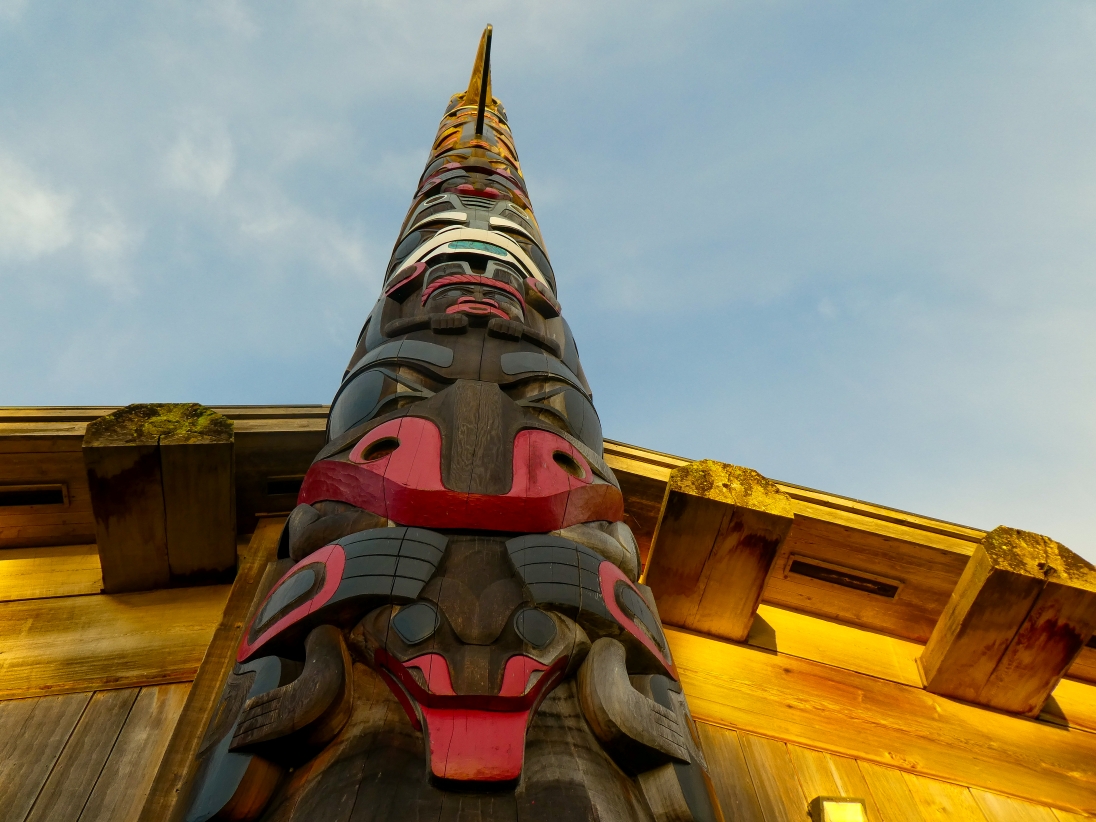
Key Takeaways from the Gathering
Participants shared feedback Coast Funds will continue to reflect on as we work to deepen engagement with the Nations we serve and support shared learning.
- Connecting and creating stronger relationships and recognizing that working in unity on a regional scale can encourage positive change.
- Recognizing and implementing Indigenous law, title, and governance is a priority to all. Healthy ecosystems depend on strong leadership and governance.
- Support for Indigenous ownership, local employment, and long-term revenue opportunities to support financial self-determination is crucial.
- The best decisions are made involving youth, Elders, and community members.
- Expanding opportunities for peer-to-peer learning among Nations facing similar challenges and opportunities can be a driver for positive change.
Contacts:
