Estimated Reading time

4 Mins
Lessons Learned from the Great Bear Sea PFP
New report distills insights from First Nations, Crown governments, and partners who collaborated to design the Great Bear Sea MPA Network and develop a $335-million project finance for permanence initiative.
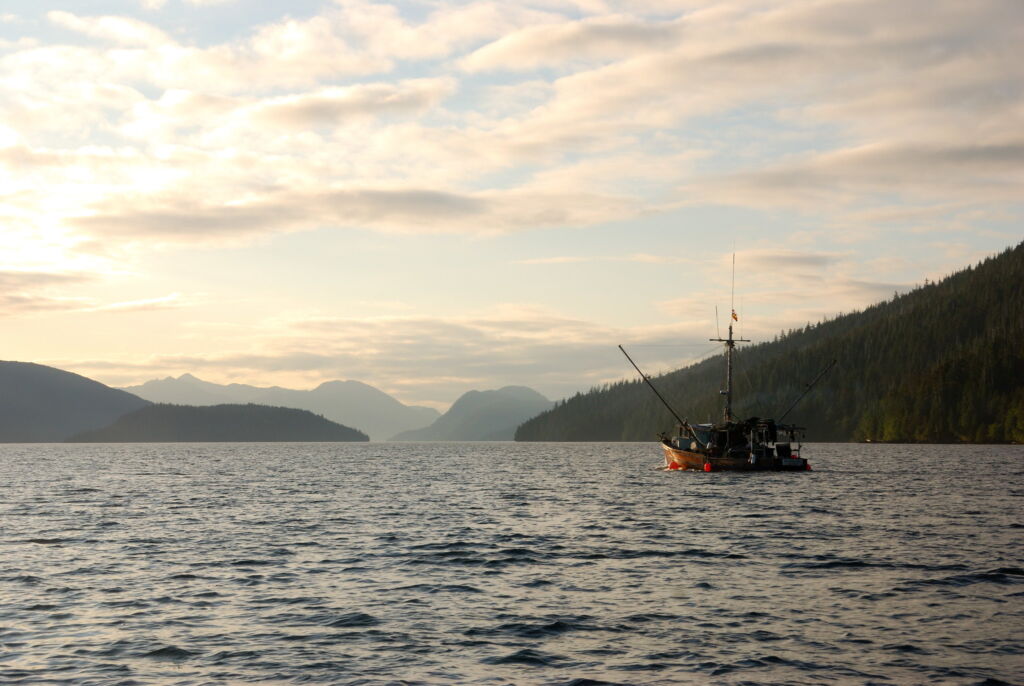
As governments and conservation groups around the world move to protect biodiversity and nature, project finance for permanence offers a model for securing long-term funding and lasting ecosystem protections, benefitting both people and place.
On the coast of modern-day British Columbia, 17 First Nations worked with provincial and federal governments, and with partners in conservation and philanthropy, to design and develop the Great Bear Sea Project Finance for Permanence (PFP) initiative: a landmark agreement to create a marine protected area network, backed by $335 million in initial funding for marine conservation, stewardship and Guardian programs, and community-led economic development.
In Lessons Learned from the Great Bear Sea Project Finance for Permanence, representatives from participating First Nations, Crown governments, funders, and partners share insights and takeaways from their collaboration in designing the Great Bear Sea PFP. This report, prepared by ESSA Technologies, documents the decisions and dynamics that shaped the Great Bear Sea PFP and distills 13 lessons learned that can benefit Indigenous governments and conservation groups considering complex conservation finance initiatives like PFPs.
Partnership and Collaboration
In developing the Great Bear Sea PFP, partners weren’t starting from scratch. First Nations had developed strong regional alliances in the 2000s and built deep relationships with philanthropic funders who shared their values. These relationships supported work with Crown governments to shape the Great Bear Rainforest agreements, which protected their land-based territories and delivered funding (through the creation of Coast Funds) for their conservation, stewardship, and economic priorities.
After the Great Bear Rainforest agreements were signed in 2006, First Nations turned their attention to their marine territories. Over nearly two decades, First Nations stewardship staff carried out scientific research and collaborated with Crown governments and partners to develop a series of spatial marine use plans. These plans, which guide use and conservation of shared marine spaces, informed the design of a network of marine protected areas.
“That trust that we’ve built amongst each other allowed us to move mountains together,” says Christine Smith-Martin, CEO of Coastal First Nations – Great Bear Initiative and co-Chair of the Coast Solutions Task Group, which worked at the direction of First Nations leadership to develop the PFP.
For Crown governments and funding partners, that history of collaboration and the proven outcomes from First Nations’ conservation efforts in the Great Bear Rainforest created a strong case for investment in the Great Bear Sea PFP.
“That certainly set the stage to be able to advance this project finance for permanence agreement,” says Angela Stadel, Director of Reconciliation Partnerships and Agreements with Fisheries and Oceans Canada in a video interview. “Federal departments could see the benefits and the potential outcomes… it presented a really unique opportunity to advance reconciliation through Indigenous-led marine conservation in a lasting and meaningful way.”
Lessons Learned on Systems Conditions and Drivers:
- Build readiness through strategic and sustained planning
- Clarify constraints early and design for continuity
- Develop strong foundations of leadership and adaptive capacity
- Design for incentives and interdependence
- Use uncertainty as a driver for innovation
Coordinating Structures
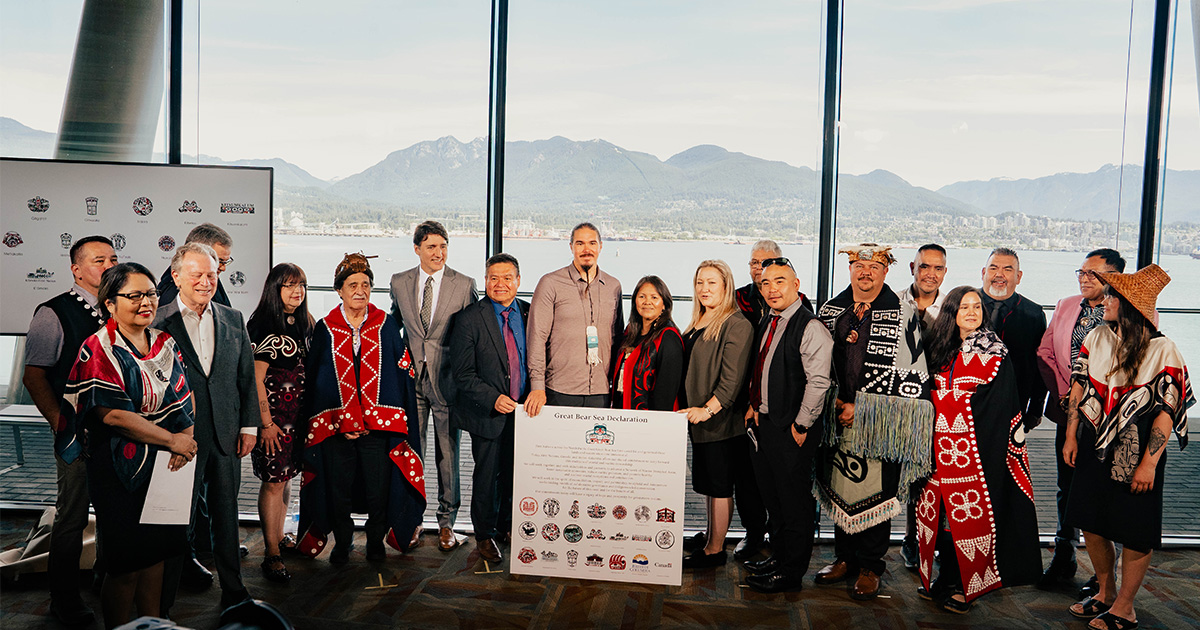
To develop the Great Bear Sea PFP, the 17 participating First Nations worked alongside federal government departments and agencies, the provincial government, and a network of funders and supporters. With so many parties working together, participants used working groups and tables to coordinate and support decision-making.
Participating First Nations formed the Coast Solutions Task Group, which was accountable to Nation leadership and led the Nations’ efforts to plan, develop, and negotiate the terms of the PFP agreements, with support from focal groups and technical advisors.
“We were speaking on behalf of 17 Nations with one voice – and it’s a very powerful voice,” says Merv Child, Executive Director of Na̲nwak̲olas Council and co-Chair of the CSTG.
When partners needed to compress their timeline for completing the PFP, collaborative structures and clear protocols around decision-making and information sharing helped partners to maintain trust through challenging circumstances.
Lessons Learned on Governance and Collaboration:
- Design a deliberately multi-level and adaptive governance architecture
- Establish clear decision-making rules and simple escalation pathways
- Build disciplined information flows to keep parallel tables transparent
- Resource collective capacity and protect people from burnout
- Blend formal procedures with flexible practices to keep negotiations moving
Moving to Implementation
A year a half after closing the Great Bear Sea PFP, First Nations are using their conservation and community prosperity funding to invest in stewardship infrastructure and programs, including vessels, Guardian training, and conservation projects, and support economic development in their communities, through investment in infrastructure, businesses, and regional collaboration.
In partnership with the federal and provincial governments, First Nations are establishing new marine protected areas identified in the MPA Network Action Plan and developing collaborative management and monitoring agreements.
“We’re seeing real impact on the ground,” says Eddy Adra, CEO of Coast Funds, which administers PFP funding on behalf of participating Nations. “With dedicated funding for marine stewardship and Guardian programs, communities are making long-term investments in conservation and communities. We’re seeing incredible momentum.”
As Indigenous and non-Indigenous governments and conservation leaders in Canada and around the world work to advance international goals for nature protection, many are considering the PFP model and looking to the Great Bear Sea as an example of what’s possible when partners come together around a shared vision.
“If We Could Do It Again” Lessons Learned for Practitioners:
- Invest in relationships and lead with transparency
- Don’t underestimate the importance of shared understanding
- Build finance and delivery for capacity and political reality
The Lessons Learned report was prepared by ESSA Technologies, an environmental consulting group, with input from Coast Funds and partners. ESSA staff interviewed 32 leaders from participating First Nations, federal and provincial governments, philanthropic partners, and supporting organizations (including Coast Funds) and used a system-based framework to distill interviewees’ perspectives into practical insights.
Download: