Estimated Reading time

3 Mins
Gitga’at’s 2025 State of the Ocean Report Highlights Ecosystem, Cultural Stewardship
Gitga’at First Nation’s State of the Ocean Report captures a year of community effort to protect lands and waters in Gitga’at territory.
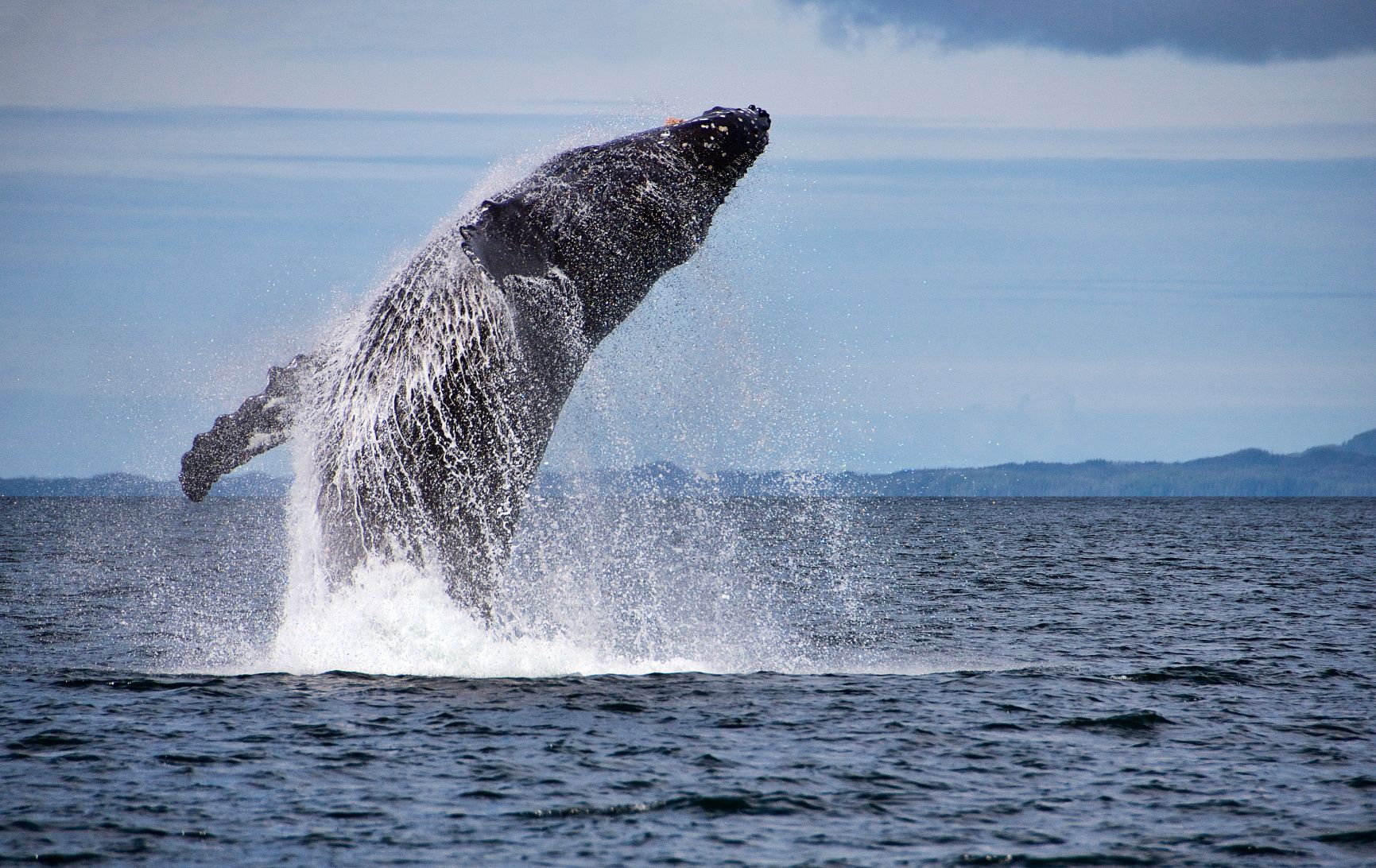
Gitga’at First Nation has released its 2025 State of the Ocean report, which features contributions from Gitga’at Guardians, researchers, students, and community members. Each chapter highlights research and data from projects that support marine animal protection, ecosystem stewardship, and management of cultural sites.
The 105-page report includes Gitga’at Guardians’ annual patrol summary, along with updates on waterway management, whale and habitat management, ancestral stewardship and archeological findings, marine ecosystems mapping and restoration.
“Every observation, every piece of data strengthens our ability to make detailed informed decisions and keep our marine and coastal ecosystems healthy,” says Kyle Clifton, Acting Director of Gitga’at Oceans and Land Department.
In 2024*, Gitga’at Guardians spent over 1,430 hours patrolling more than 17,500 kilometres of marine territory and recorded over 1,000 sightings (including water vessels, wildlife, traps, and more). Guardians also conducted surveys of boats, whales, and cultural features, and supported projects to monitor Dungeness crabs, harmful algal blooms, salmon migrations, and more. As the Nation’s “eyes and ears” on the territory, the Guardians play an important role in asserting the Nation’s presence and fulfilling its stewardship responsibilities.
“There are 18 staff in the Gitga’at Oceans and Lands Department working together with experts and advisors on all the planning, fundraising, and on-the-ground monitoring required to look after the many resources within our lands and waters,” says Kyle.
*The 2025 Gitga’at State of the Ocean report uses data covering 2024 to 2025.
North Coast Waterway Management
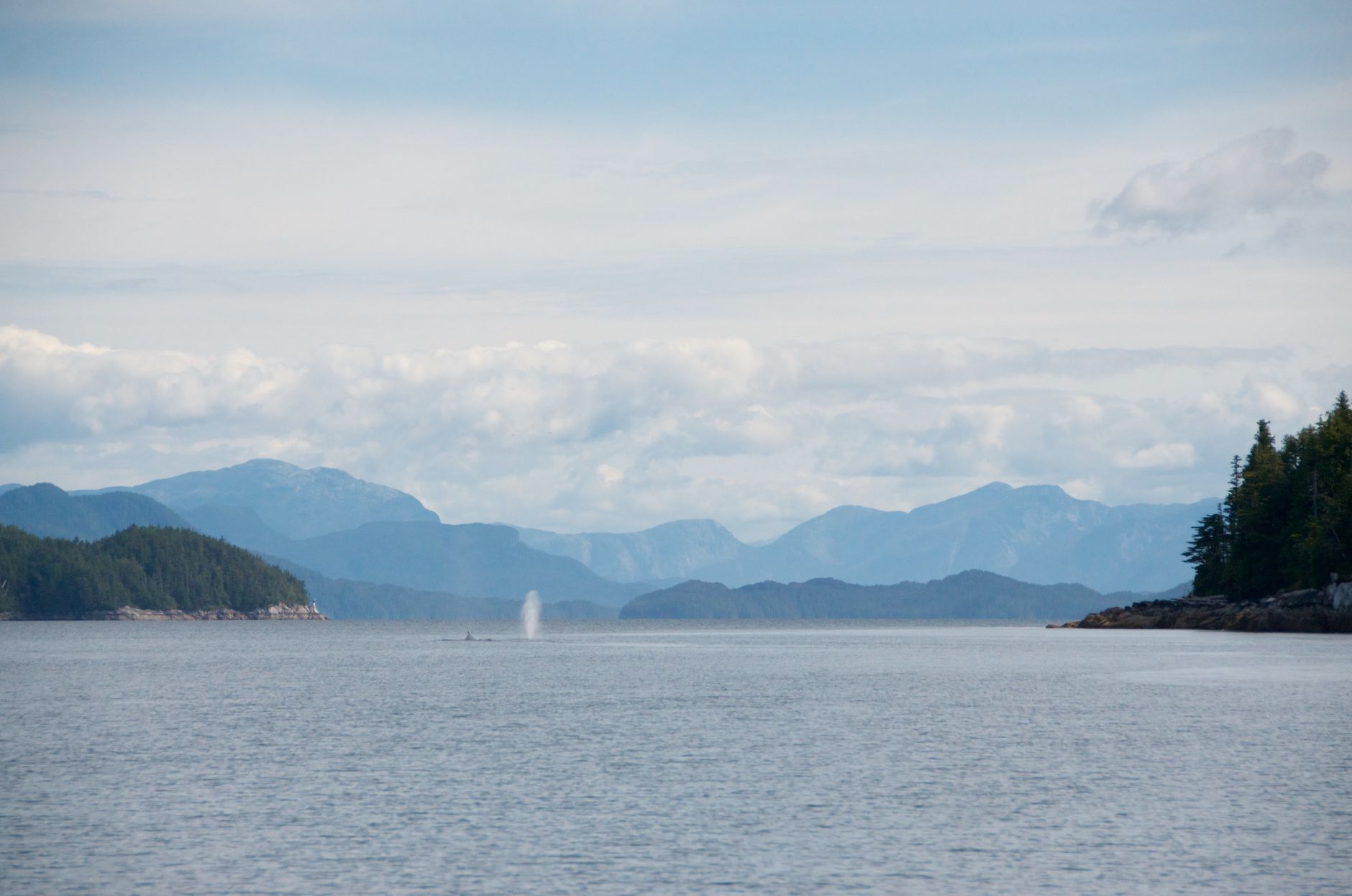
For millennia, Tsimshian peoples, including the Gitga’at and Gitxaała, stewarded the waterways and coasts of their territories. Today, the Nations’ Guardians monitor the same waterways, which surround the modern-day communities of Kitkatla and Hartley Bay, and ensure that cultural activities (like marine harvesting) can continue safely.
In 2022, Gitga’at and Gitxaała Nations established voluntary North Coast Waterway Guidelines to improve water safety by reducing conflict between activities such as fishing and commercial vessels entering and occupying the areas, reducing risk of harm to First Nations and other community members accessing the waterways.
The Guardians report on traffic patterns, low and high tide conditions, and use automatic identification systems to grasp real-time location of marine vessels. The North Coast Waterway Guidelines encourage commercial vessels to avoid particular areas during low-tide harvesting times.
Since the guidelines were implemented in 2022, only six vessels have passed through the waterways at low tide, and in 2024, no vessels were sighted during these times.
Ancestral Settlement
Gitga’at Guardians are working with archaeologists and community researchers conducting paleoenvironmental and archaeological research at Laxnuganaks Moore Islands.
The research is informed by both Tsimshian adaawx true tellings of the Gitnuganaks’ origins on Laxnuganaks and by geological estimates. Pairing archaeological records with oral histories, researchers have demonstrated that the islands were ice-free – supporting plants, animals, and human activity – up to 16,000 years ago.
Throughout the year, Guardians and researchers uncovered evidence of bountiful feasts (including the recovery of over 15,000 human-harvested animal bones) held between 5,000 and 10,000 years ago, and ancient stone tools. Most significantly, Guardians uncovered a ‘rockshelter’ housing crude core tools (large handheld choppers and scrapers made by flaking away the stone’s surface) estimated to be used after the last ice age.
“We are blending traditional knowledge and scientific research to honour the past while caring for the future. This report is a lot of work for those involved, and we appreciate all their efforts,” says Kyle.

Adjunct Professor Bryn Letham, of Simon Fraser University, reports that the findings mark the “persistent and intensive occupation of the area for over 10,000 years” and have the potential to “be one of the oldest archeological sites yet identified on the Northwest Coast.”
Gitga’at Nation is one of six partner Nations developing a National Marine Conservation Area Reserve (NMCAR) establishment agreement with British Columbia and Canada. Once established, the NMCAR will contribute to the Nations’ marine stewardship in a holistic way that protects marine habitats, ecosystems, and the well-being of coastal communities along the Great Bear Sea.
Through Coast Funds’ Conservation Fund, Gitga’at First Nation invested $1.1 million between 2018-2023 to support operations of the Gitga’at Oceans and Lands Department, which includes the Nation’s Guardian team.